
San Marcos ZIP Codes at a Glance
The table below sorts the main codes, and each row keeps its postal purpose in plain view. San Marcos itself lists 92069 and 92078 as its standard city ZIPs. USPS confirms one address at a time. GIS settles where the incorporated line truly falls.
| ZIP | Areas Served | Post Office Context | Boundary Notes |
|---|---|---|---|
| 92069 | Northern and central San Marcos, Twin Oaks Valley, Palomar College vicinity | San Marcos delivery | Postal geography extends beyond a simple city-line concept. |
| 92078 | Southern and western San Marcos, Lake San Marcos, San Elijo Hills, business and residential corridors | San Marcos delivery | Lake San Marcos mailing area does not settle city responsibility. |
| 92079 | PO boxes | San Marcos Post Office | Treat as provisional PO-box geography and validate live with USPS. |
| 92096 | CSU San Marcos | Unique institutional ZIP | Campus mail, not a normal neighborhood roll. |
No official source publishes a ZIP split or realignment chronology for the city. Any historical change year would be a guess. Trust the current address result and the date the source itself gives.
San Marcos 92069 Coverage
92069 serves northern and central San Marcos. It also covers Twin Oaks Valley and the area around Palomar College. A postal label is a fine first sort for a name or address clue. The parcel still needs a county APN and a boundary check. Older records may cite a subdivision or a ranch. Some use a legal description instead of the code on today's envelope.
Work one address at a time. Let USPS speak first. Then compare the site against San Marcos GIS. Add the county parcel layer and the assessment search. Inside the city, permits and public-record paths run through City Hall. Outside it, the county or another local custodian holds the file. Treat the ZIP as the first filter, never the final jurisdiction.
San Marcos 92078 Coverage
92078 reaches southern and western San Marcos, plus Lake San Marcos, San Elijo Hills, and the business corridors that thread between them. Lake San Marcos shows the postal-versus-incorporated split better than anywhere else locally. The mailing line can read San Marcos. But permits and land records sit with a different authority.
Master-planned areas also carry younger parcel histories than the older central grid. When a city directory or an old phone volume stops short of the neighborhood, turn to tract maps. Planning packets, permits, and assessment history fill in the rest. A ZIP code directory should hand you off to parcel work. Do this once the address is firm.
San Marcos 92079 PO-Box Limits
92079 behaves as a PO-box-only or legacy San Marcos code. No current USPS or city page states its status outright. Leave that uncertainty on the table. A PO-box ZIP describes a delivery arrangement, nothing more. It is not a block of homes and not a list of resident names.
Any address carrying 92079 deserves a check through the USPS ZIP Code Lookup. It might resolve to a box. If so, fall back on the street address or APN for the underlying parcel when a lawful record question remains. A mailing box is never the situs address.
San Marcos 92096 Campus ZIP
92096 belongs to California State University San Marcos alone. The university's own address confirms the code. Campus life sits at the center of the local record landscape. This is not a neighborhood resident roll. A directory entry or archive tied to CSUSM can show an institutional role, a unit, or a campus address. It says nothing about where anyone actually lives.
That distinction matters for name searches. Campus directories, CSUSM Archives, oral histories, and library records help reconnect a former student or researcher. A property question still demands a parcel, deed, or official residential source. The code marks the institution's mail geography, not a household.
San Marcos ZIP Boundaries and City Limits
A ZIP Code is a mail route. A city limit is a legal jurisdiction. The two can overlap without matching. In San Marcos they often do. Postal lines reach Lake San Marcos, and a separate campus code marks an institutional place. No civic quadrant scheme replaces the APN and legal description.
- ZIP Code
- A postal routing label used by USPS to direct delivery.
- ZIP+4
- An added four-digit delivery segment that narrows an address within a ZIP.
- PO-box ZIP
- A code used for post-office boxes rather than a normal residential street geography.
- Unique ZIP
- A code assigned to one institution or narrow delivery identity, such as CSUSM's 92096.
- Carrier route
- A delivery path inside postal geography; it is not an ownership or occupancy boundary.
For the incorporated boundary, open the San Marcos GIS hub or the county map layers after USPS returns the address. That two-source check is the heart of a careful ZIP code directory.
Verify a San Marcos Address with USPS
Any ZIP-keyed search should end at an exact address check. USPS verifies the postal city and ZIP pairing. GIS then places the site inside a parcel, jurisdiction, subdivision, and map layer. The assessor supplies the APN or address-keyed roll result. Each step removes a different uncertainty.
- Enter the full street address into USPS ZIP Code Lookup and save the returned city and ZIP.
- Open the address in San Marcos or San Diego County GIS and inspect the boundary and parcel.
- Write down the APN, situs, legal description, subdivision, and unit detail if shown.
- Use the assessor's Address, Street Name, or Parcel Number mode for the property record.
- Move to the street, deed, permit, court, or approved voter source that matches the real question.
The USPS form is designed for one address, not a ZIP-wide residents directory.
San Marcos Assessor Is Not ZIP-Wide
The secured assessment roll offers parcel, address, and street-name search modes, but the public tool leans on APN and address. California privacy rules bar unrestricted posting of owner names. A ZIP filter, where a layer exposes one, maps geography without producing a public list of everyone in that code. Owner and mailing fields can be suppressed. The parcel record never lists renters or household members.
| Parcel Number | County APN search, using the required number format. |
|---|---|
| Address | Street number and name; county instructions say to omit direction, type, and city. |
| Street Name | Whole-street discovery for parcels without a normal street number. |
| ZIP use | A narrowing clue in map or address work, not an unrestricted owner roster. |
Once the code narrows the place, the San Marcos street directory workflow takes over with an address and APN. That route beats trying to stretch ZIP geography into a claim about people.
San Marcos ZIP Searches and Public Rolls
Some official California tools accept a ZIP as a filter. Yet each one answers only its own question. The State Controller runs a free unclaimed-property search called ClaimIt. It looks up an owner last or business name, an optional first name, and a city. It can return a reported address, a reporting business, and a property type. The Secretary of State's bizfile search is different. It identifies entities, agents, and filing history for registered businesses. Neither tool produces a ZIP-wide list of households in San Marcos.
The State Controller's ClaimIt search costs nothing and does not cover real estate. An address or city clue can help you sort one name from another. Proof is still required before anyone claims property, though. A match in a city or ZIP field does not prove the person lives in San Marcos. It does not prove residence today.
Keep the category straight. The official unclaimed-property screen offers a name and city search. It works best as one narrow, supplemental clue for a residents directory lookup rather than a residence record itself.
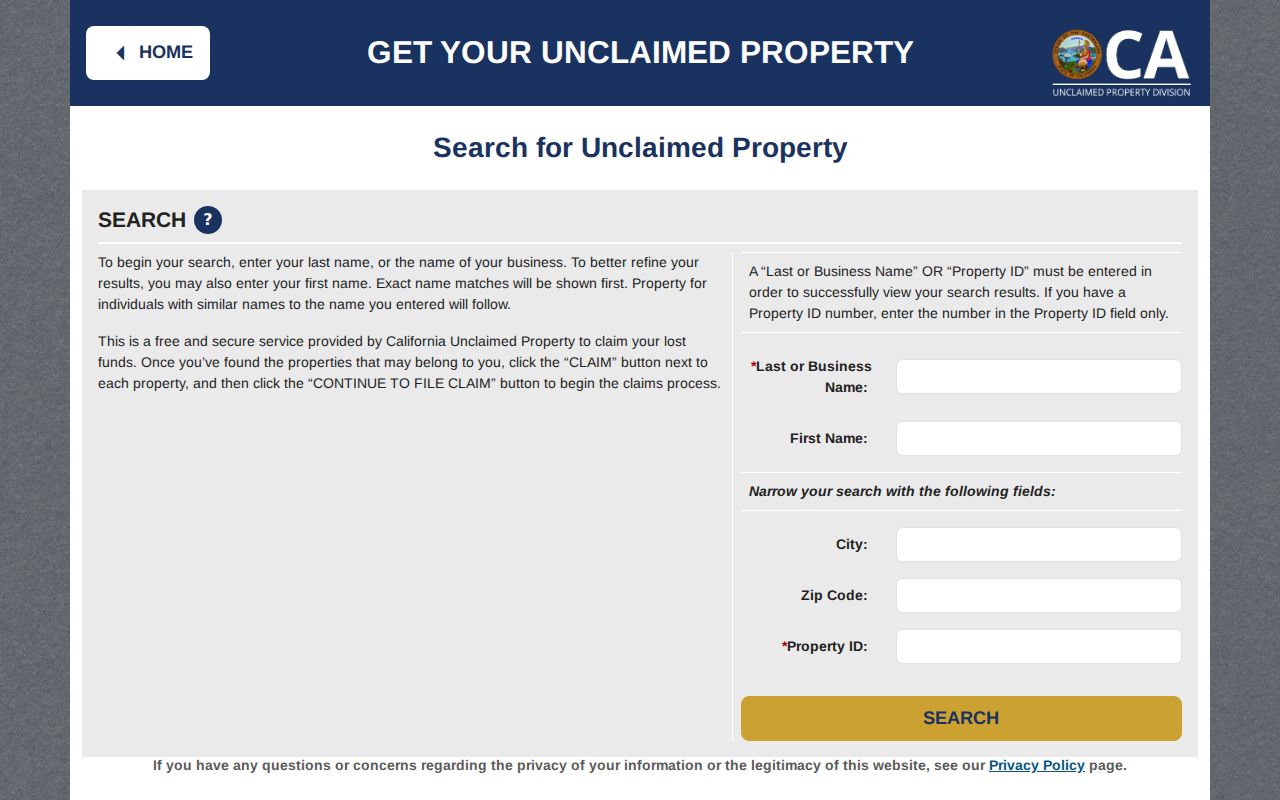
Keep any result in its proper category: unclaimed property, not current residence. The California Megan's Law search serves a different purpose. It offers name, map, and radius modes for a statutory registry. It is not a ZIP resident directory for San Marcos. Its own misuse limits apply.
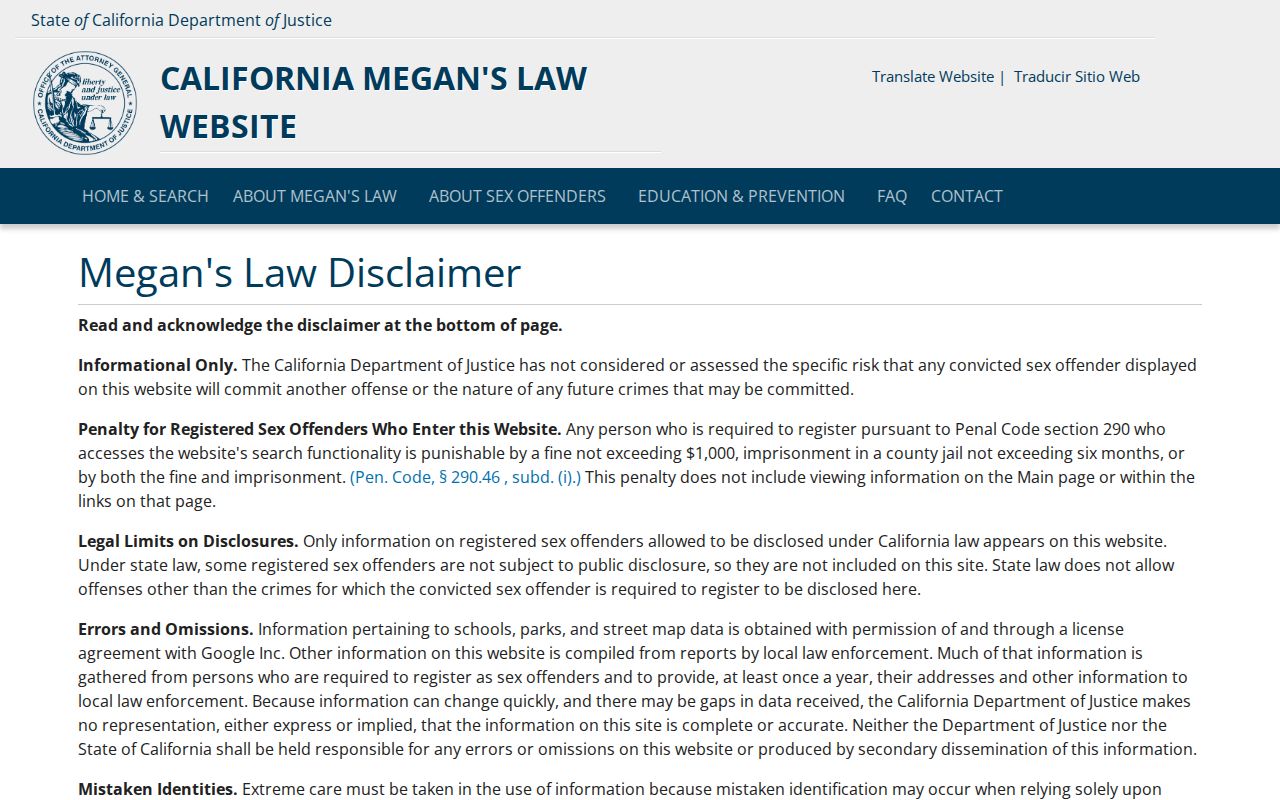
A registry result stays inside its legal category, even when a map or ZIP narrows the place in San Marcos.
San Marcos Business and License Data
A ZIP code directory search can turn up more than a street. It may surface a business or license clue along the way. Bizfile shows entity number, type, status, formation date, addresses, registered agent, and filing history. The state Department of Consumer Affairs shows license number, status, and issue and expiration dates. It also lists a public address and discipline links. San Marcos business permits and Chamber profiles add an affiliation layer. A public contact point, though, is not a residential address.
The California bizfile search keeps the index free, while document orders may cost. Search by entity or license role first. Then verify any person match with a second anchor and the originating agency. Treat a ZIP as a place clue only, not proof. That caution matters when tracing San Marcos residents through business rolls.
Use the filing history and public agent fields for affiliation research.
San Marcos ZIP Privacy Limits
Official geography cannot unlock a protected record. California keeps voter information purpose limited. Safe at Home offers a substitute address plus confidential registration. DMV data stays restricted. Court, adoption, confidential-marriage, and sealed records follow their own access rules of their own. Filtering by a ZIP code changes none of that. The state's DROP system lets qualifying consumers request deletion from data brokers. Government records and statutory exceptions can persist, though. Check the privacy agency's current requirements before counting on any result. A postal code is a search aid, not a consent signal. The California privacy agency's DROP update shows how commercial data and government records answer to different rules.
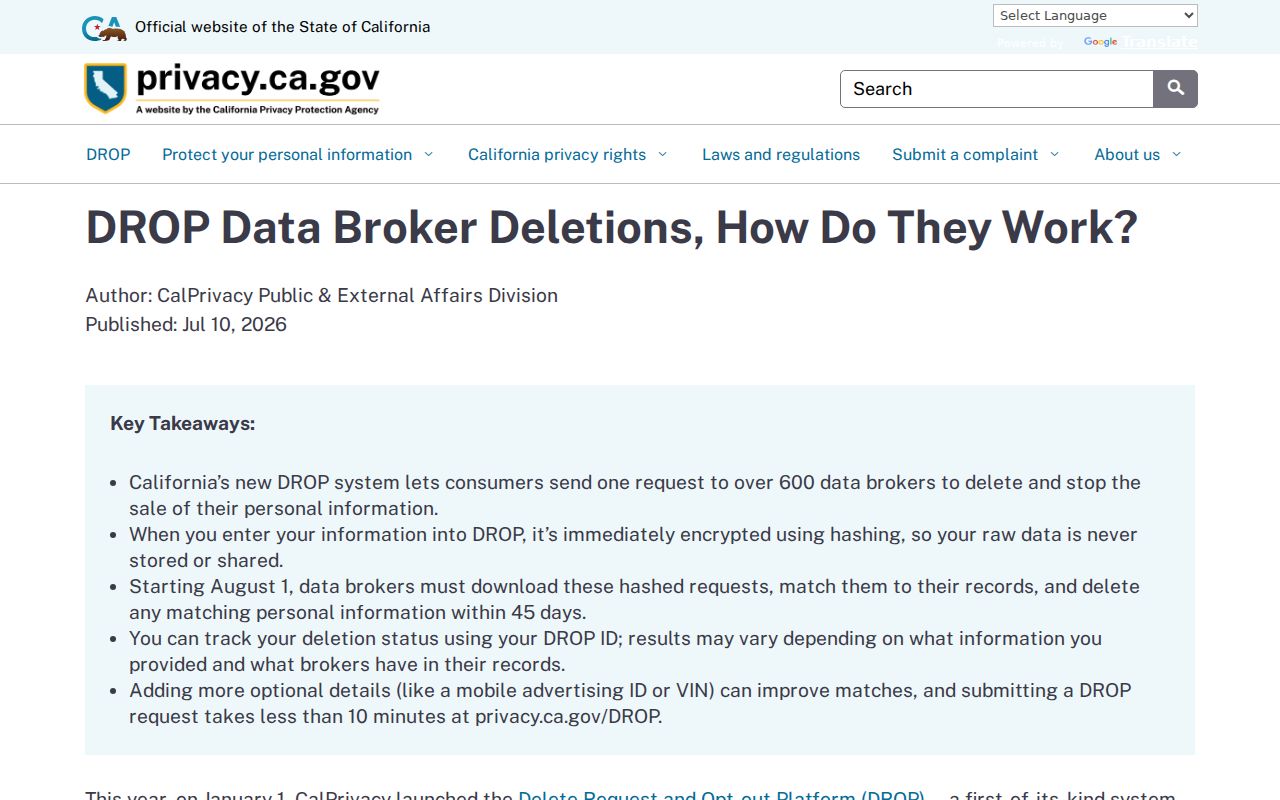
Keep ZIP, records, and privacy rights in separate notes.
Use ZIP as a Start, Not a Claim
Start small with any San Marcos ZIP code directory search. Verify the delivery address first. Settle which city holds jurisdiction, locate the parcel, then choose the right record channel. Neither 92069 nor 92078 is a complete resident roll. ZIP 92079 should never become a residential neighborhood in your write-up without current USPS proof. Treat 92096 as a post-office ZIP rather than a household one, and let the postal layer narrow the map instead of naming everyone on it.
Lawful personal use. Use ZIP and parcel clues for family history, property research, civic questions, and lawful reconnection. Never use a ZIP-based search to stalk, harass, intimidate, or harm anyone.